

If your outboard surges, stalls or starts shaking, don’t use more throttle to see if it clears. First decide whether you can safely control the boat, get people into life jackets and get help. A rough-running engine can leave you unable to maneuver when you most need it.
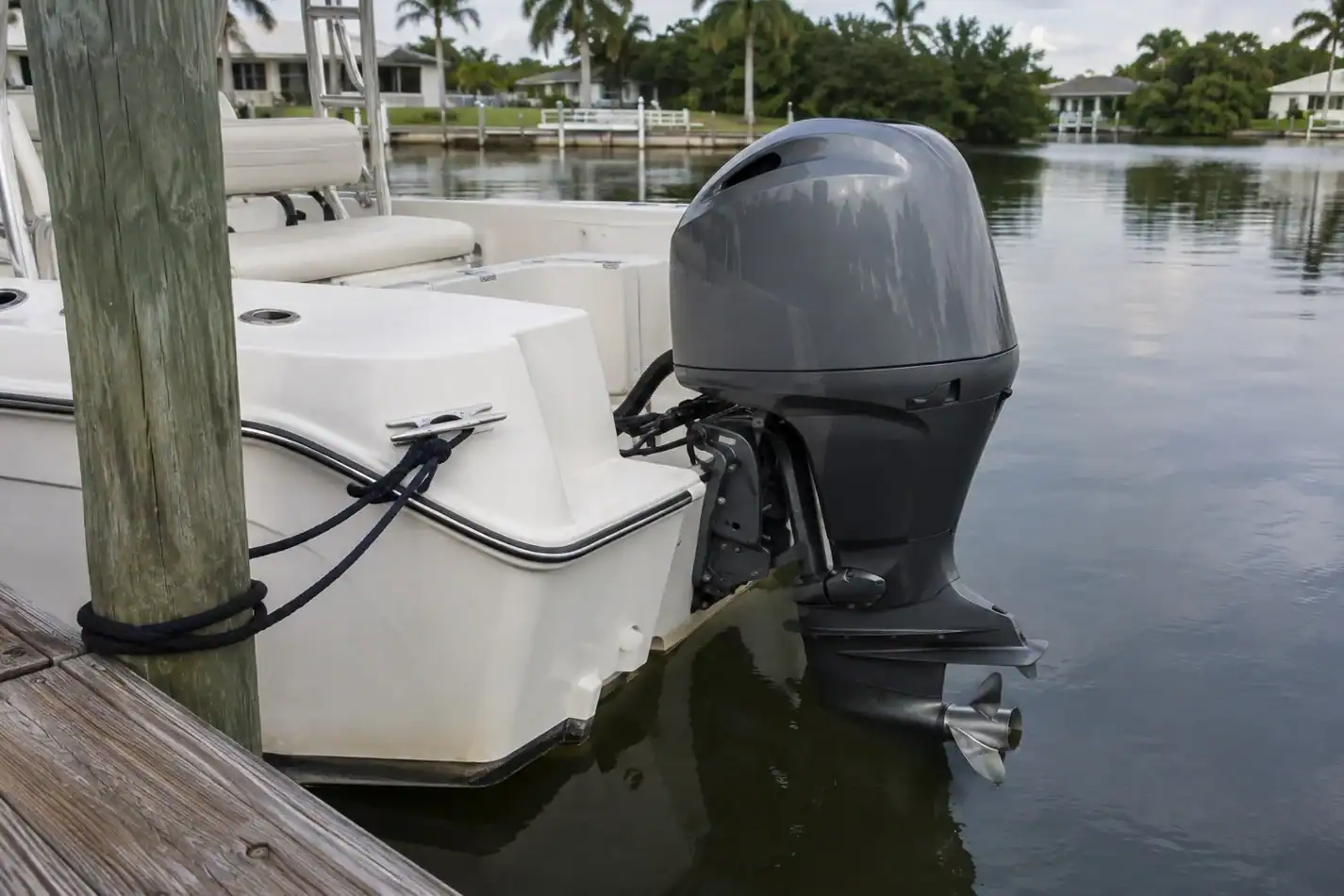
This guide helps you make that decision and record what the service shop needs. It does not diagnose or repair an engine remotely.
1. Protect people and keep the boat out of danger
If you are on the water, focus on steering and avoiding traffic, obstructions and shallow water; assign someone to keep watch and get life jackets on everyone if not already worn. If you cannot safely control or move the boat, you’re drifting into danger, or there is smoke, fire, a fuel leak or immediate danger to people, use the proper emergency procedure. For distress when you have a marine radio, the U.S. Coast Guard explains use of VHF Channel 16. If there is no immediate distress but you cannot safely continue, contact your local towing or assistance provider. Don't prioritize getting the engine going over getting help.
2. Treat the alarm according to your actual manual
If there is an alarm, overheating warning, flashing message, restricted power or other critical symptom, follow your exact engine manual’s instructions. If safe operation is uncertain, don't run the engine to test it or repeatedly try to restart it. Alarm patterns are model-specific. Don’t trust a generic “one beep means…” chart from a different engine.
Mercury, for example, provides a manual finder by engine serial number. Look up the manufacturer’s manual for your own engine before launching again. If your issue first appeared while the boat was secured at the dock, stay at the dock until the cause is checked rather than making a test run.
3. Write down the clues without recreating the problem
When the boat and crew are secure, record what you already observed. Don’t remove the cover, touch a turning propeller, open a fuel line, run the engine out of the water, or reset an alarm as a diagnostic step.
- Engine model, approximate hours and last service
- Did it start at idle, during acceleration or at cruising speed?
- Did it begin immediately after startup or after running a while?
- Exact alarm or display text you've already seen
- Was there loss of power, vibration, unusual noise or visible changes?
- Recent refueling or repairs; when did the boat last run normally?
- Where and when it happened
Fuel, ignition and mechanical issues can produce symptoms you cannot reliably distinguish on the water. Give the record to a qualified technician. A video or gauge photo can help if you already have one or can capture it safely without running the engine again; otherwise skip it.
What to say when you call
The engine is [model]. It started [surging, shaking or stalling] at [operating condition]. The display said [message], and [other symptom] happened. We've stopped using it. What do you need from me, and can I bring it in without running it again?
If you’re still out on the water, give the assistance provider your location, number of people aboard and current hazard first, not the repair history. For the next trip, keep local assistance numbers and engine instructions handy.
Related: Why you should not test-run a boat engine without its required cooling-water supply.